
The importance of rest after stimulating exercise sessions.

Rest after stimulating exercise sessions. It's not just a break between your dog's activities. In practice, it's part of the exercise itself. Without this recovery time, the physical effort loses balance and can stop strengthening the body and start wearing it down.
Advertisements
Many pet owners associate well-being only with long walks or energetic playtime. Movement, of course, is essential.
Still, what happens after the activity usually determines whether the dog's body gets stronger or simply accumulates fatigue.
There is a silent logic in the canine organism: it works, adapts, and then needs to stop to reorganize everything. Rest allows muscles to recover, energy to be restored, and the mind to return to a state of calm.
Ignoring this step creates a curious effect. The exercise continues, but the benefits diminish. In some cases, signs of irritation, fatigue, or minor injuries appear that could easily have been avoided.
Advertisements
In this article you will find:
- Why is rest so crucial after intense activity?
- How does the dog's body recover?
- How much rest does a dog really need?
- Signs that indicate over-exercise
- Practical guidelines for balancing activity and recovery.
Why is rest important after intense exercise?
After stimulating activity, the dog's body enters a period of reorganization. During exercise, muscle fibers undergo minor tension, and the body quickly uses its energy reserves.
It is during rest that this invisible mechanism begins to function. Muscle micro-tears are repaired and the metabolism replenishes some of the energy used during activity.
Without adequate breaks, this process remains incomplete. The result can be an accumulation of fatigue that manifests as muscle stiffness, reduced willingness to play, and even changes in behavior.
There is also an emotional factor. Stimulating exercise increases the dog's alertness. Rest helps reduce this excitement, allowing the animal to gradually return to balance.
In other words, physical activity and rest form a natural cycle. One depends directly on the other.
How does the recovery process work in a dog's body?
In the minutes following exercise, physiological deceleration occurs. The heart rate gradually decreases and breathing returns to its normal rhythm.
This initial period often goes unnoticed by pet owners. However, abruptly stopping intense activities can prolong muscle discomfort and delay recovery.
In the following hours, a deeper stage takes place. The body begins to repair muscle fibers and reorganize nutrients used during physical exertion.
Sleep plays a fundamental role at this time. During deep rest, the body regulates hormones linked to muscle regeneration and metabolic balance.
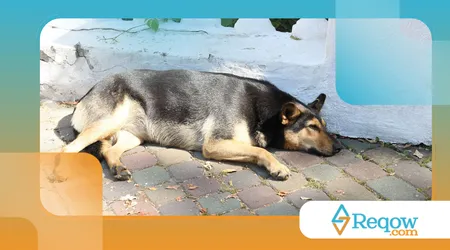
That's why active dogs tend to sleep more after a day full of play or training. This behavior doesn't indicate laziness, but rather physiological recovery.
Find out more: How to tell when your dog is emotionally overwhelmed.
According to widely used veterinary guidelines, adult dogs sleep between 9 and 14 hours a day. Puppies may sleep more than 18 hours due to their rapid growth.
How long should a dog rest after exercise?
There is no single recovery time that works for all dogs. Activity intensity, age, breed, and physical condition directly influence the recovery period.
In intense exercise, many experts recommend at least one or two hours of rest after the activity. This interval helps the body to normalize its temperature and metabolism.
Moderate activities, such as walking or light play, require shorter breaks. Even so, small interruptions during activity help prevent muscle strain.
Another often overlooked detail involves weekly rest. Dogs that engage in intense physical activity need days with less physical stimulation.
++ How to recognize when a dog is mentally exhausted.
This alternating rhythm helps the body adapt to the effort without experiencing continuous exhaustion.
What factors influence recovery time? Rest after strenuous exercise sessions.
THE Rest after stimulating exercise sessions. It depends on several factors. Each dog has its own recovery rate.
Age is often a determining factor. Puppies are still developing their muscles and joints, so they need short workouts and frequent breaks.
Senior dogs also require special attention. As they age, their joints become more sensitive and their metabolism tends to slow down.
Breed also plays a significant role. Dogs originally bred for physical work can handle a higher volume of activity. Other breeds, however, have respiratory or structural limitations.
Read more: Basic dog care for a more organized routine.
Ambient temperature is another important factor. On hot days, the body needs more time to dissipate heat accumulated during exercise.
What signs indicate that a dog needs more rest?
The animal's own behavior often reveals when exercise has exceeded a healthy limit.
One of the clearest signs is a sudden decrease in the willingness to play or go for walks. The dog simply loses interest in the activity.
Very labored breathing, muscle stiffness, or difficulty getting up also indicate a need for a longer recovery period.
Mild tiredness after physical activity is expected. However, when the animal remains lethargic for many hours or avoids movement the following day, the owner should pay closer attention.
Observing these changes helps to adjust the routine before the body starts to present more serious problems.
How much exercise and rest does a dog need per day?
The ideal amount of activity varies considerably between different dog breeds. Some breeds have high energy levels and need frequent physical stimulation.
Others adapt better to more relaxed routines. The balance between exercise and rest is usually the most important factor.
The table below presents average values used as a reference in veterinary recommendations.
| Dog's life stage | Average daily exercise | Average sleep requirement |
|---|---|---|
| Puppies | short sessions of up to 20 minutes | 4 PM to 7 PM |
| Adults | 30 minutes to 2 hours | 9 AM to 2 PM |
| Elderly | 20 to 45 minutes at moderate intensity | 12 to 15 hours |
These numbers represent averages only. Each animal has its own needs, which may vary depending on its health and lifestyle.
In this regard, see the updated veterinary guidelines on physical activity and animal welfare at [link/website address]. Regional Council of Veterinary Medicine of the State of São Paulo (CRMV.SP)
When does the rest period need to be longer?
Some situations require longer breaks between physical activities.
Exercise performed on very hot days increases the risk of dehydration and heat stress. Under these conditions, recovery time should be extended.
Puppies in their growth phase also need longer breaks. Despite their abundant energy, their joints are still developing.
Dogs recovering from injuries or surgery should follow specific instructions from their veterinarian. In these situations, rest is part of the treatment.
International animal welfare guidelines, such as those published by World Small Animal Veterinary AssociationThey reinforce the importance of balancing physical activity and adequate recovery.

Conclusion
Exercise and rest are not in competition with each other. They function as two parts of the same process.
Physical activity stimulates muscles, joints, and the mind. Rest organizes everything that happened during that exertion.
When there is a balance between movement and recovery, the benefits appear naturally: more vitality, stable behavior, and a lower risk of injury.
Observing your pet's own rhythm remains the best strategy. Each dog demonstrates, through subtle signals, how much exercise it needs and how much rest it truly requires.
Frequently Asked Questions
How long should a dog rest after intense exercise?
During vigorous activity, intervals of one to two hours are usually sufficient to stabilize breathing, body temperature, and initiate muscle recovery.
Is it normal for a dog to fall asleep after playing?
Yes. Sleep is part of physical recovery. After stimulating activities, many dogs sleep more to restore energy and repair muscle tissue.
How many hours of sleep does a dog need per day?
Adult dogs typically sleep between 9 and 14 hours a day. Puppies may sleep more than 18 hours due to their growth and development.
Can excessive exercise harm dogs?
Yes, it can. When exertion exceeds the body's recovery capacity, signs such as muscle stiffness, apathy, and a decreased desire to play appear.
Do light walks also require rest?
Yes. Even moderate activities require recovery periods. Short breaks during the walk and a quiet environment afterward help the body return to balance.