
Cockatiel tilting its head: interesting facts about this habit.
THE cockatiel tilting its head It's a fascinating behavior that intrigues many curious pet owners daily.
Advertisements
This charming posture hides evolutionary secrets and surprising details about the anatomy of these marvelous birds.
Understanding the biological reasons behind this movement helps you improve the well-being of your pet.
Observing this body language brings humans even closer to their pet bird.
We created this detailed guide to explain the exact reasons behind this adorable behavior. You will learn to interpret the visual signals your bird gives off during its daily routine.
Advertisements
Get ready to discover some amazing scientific facts in this comprehensive article.
We will cover the following essential topics about this fascinating curiosity from the avian universe to enrich your practical knowledge:
- Anatomical reasons for monocular vision.
- Social behavior and signs of attention.
- When posture indicates health problems.
- Table with interesting facts about the bird's senses.
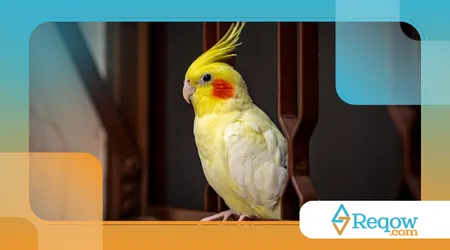
Why do we see cockatiels tilting their heads so often?
When you observe the cockatiel tilting its head, is witnessing a fantastic natural adaptation.
This specific movement allows the bird to focus better on objects that are near or far.
Unlike humans, these birds have eyes located on the sides of their skull.
This anatomy provides an incredibly wide field of vision for quickly detecting predators in the wild.
To compensate for the frontal blind spot, they need to turn their face sideways. This directs one eye directly to the point of interest with maximum visual clarity.
Monocular vision and the quest for perfect focus.
Monocular vision means that each eye processes information independently in the brain.
The bird analyzes two distinct images simultaneously while exploring its surroundings.
By rotating its neck, the animal attempts to calculate the exact depth and distance.
Ornithology researchers confirm that this tactic significantly improves spatial awareness during flight.
You notice this habit when you offer a new toy or a delicious treat.
++ Cat sleeping on electronics: what attracts felines
The pet simply wants to inspect the new item thoroughly before interacting with the unfamiliar object.
What does this movement mean in the bird's body language?
Body posture conveys clear messages about your bird's emotional state.
THE cockatiel tilting its head often demonstrates extreme curiosity and a desire to interact socially.
If the movement is accompanied by ruffled feathers on the cheeks, she is relaxed.
This set of signs indicates that the animal feels safe in your daily company.
Another common reason involves the sensitive hearing of these domesticated parrots.
They adjust the position of the hidden ears to capture specific sounds or human voices with greater acoustic clarity.
Veterinarians specializing in wild birds explain that auditory engagement strengthens emotional bonds.
You can deepen this understanding by accessing the studies of avian behavior from the Association of Avian Veterinarians.
A request for affection and active social interaction.
Often, this cute inclination serves as a direct request for head scratches.
The bird subtly lowers its neck to make it easier for your fingers to gently touch its feathers.
If you reward this behavior with continued affection, the bird will repeat the action frequently.
Positive reinforcement transforms the gesture into a very efficient communication tool between you.
It's fascinating to see how quickly they learn our patterns of emotional response.
Read more: Interesting facts about dogs and why they avoid direct eye contact.
Each positive interaction strengthens mutual trust and builds a true, long-term friendship.
When does a cockatiel tilting its head indicate a medical need?
This neck twist doesn't always represent just curiosity or natural charm.
One cockatiel tilting its head Persistent and uncontrolled symptoms require immediate and specialized veterinary attention.
Inner ear infections often severely affect an animal's motor balance.
Bacteria or fungi in the ear canal cause extreme discomfort and force the bird to adopt abnormal postures.
Severe nutritional deficiencies also affect your pet bird's neurological system.
A lack of specific vitamins triggers muscle spasms and involuntary movements in the weak neck area.
Head injuries resulting from accidental night flights represent another alarming medical cause.
++ Cockatiel biting its owner: actions that help reduce it.
If the bird hits walls or windows during the night, seek veterinary help without hesitation.
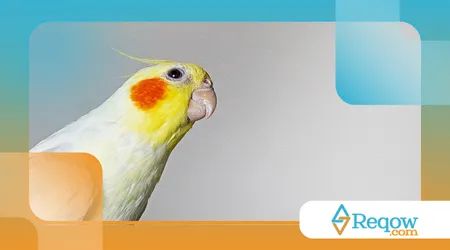
Associated symptoms that require urgent clinical evaluation.
Observe if the animal exhibits profound lethargy, loss of appetite, or recurrent vomiting.
The combination of these signs with a twisted neck indicates a potentially serious and fatal neurological condition.
Loss of motor coordination during short walks also serves as a vital warning sign.
Healthy birds walk steadily on their perches and maintain their balance without any visible difficulty.
Consult a qualified professional immediately if you notice any sudden and abrupt changes in behavior.
Detailed physical examinations will reveal the source of the problem and guide the appropriate treatment quickly.
Data Table: Interesting Facts about the Cockatiel's Senses
Understanding your bird's physiology makes it easier to identify normal, routine behaviors.
We have prepared a comparison table with real data on the sensory perception of these fascinating birds.
| Sense | Physiological Capacity | Relationship to Head Tilt |
| Vision | Monocular, wide field of view with a 300-degree lateral radius. | It allows you to focus on objects in front of you, compensating for the central blind spot. |
| Hearing | High frequencies between 200 Hz and 8,500 Hz. | It helps to pinpoint the exact origin of unfamiliar sounds. |
| Touch | High sensitivity in the filoplumes (very fine feathers). | A lowered posture facilitates the reception of tactile stimuli in the neck. |
Conclusion about this fascinating body language
Observe your cockatiel tilting its head It reveals the incredible complexity of avian life.
This gesture combines biological survival needs with pure demonstrations of affection and genuine intellectual curiosity.
Value every positive interaction and use that knowledge to improve her quality of life.
A well-informed tutor builds unbreakable bonds and ensures a highly safe home environment.
Animal welfare depends on your ability to correctly interpret nonverbal cues.
Access educational materials from the World Parrot Trust to continue expanding your knowledge about psittacines in a responsible manner.
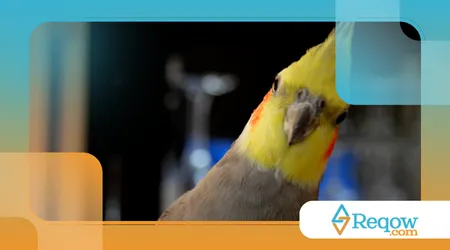
Frequently Asked Questions
1. Why does my cockatiel tilt its head when I talk to it?
She makes this movement to focus one eye on his attentive face. Because they have peripheral vision, turning their face allows for a clearer observation of his facial expressions.
2. How can you tell the difference between curiosity and a serious neurological problem?
The inclination driven by curiosity develops rapidly and ceases when the visual stimulus disappears. Neurological problems cause persistent twisting, accompanied by tremors, lack of balance, and prolonged apathy in the affected bird.
3. A cockatiel tilting its head Does he always want affection from me?
Generally yes, if she lowers her head slightly towards you with fluffy feathers. However, assess the overall context to ensure she's not just examining some object.
4. Can I train my bird to perform this movement on vocal command?
Yes, you can use positive reinforcement techniques to teach this fun trick. Offer a small piece of seed whenever she spontaneously performs the pose after your command.