
Cat licking itself excessively: what could it mean?
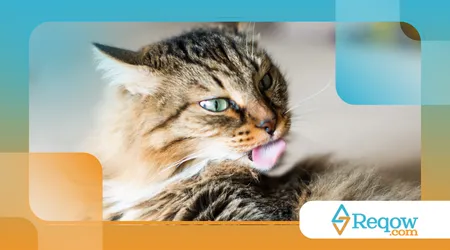
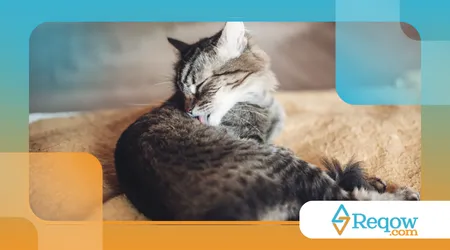
Cat licking itself excessively It's the kind of scene that, at first glance, mimics the very essence of felines: that meticulous, almost ritualistic cleanliness.
Advertisements
However, there is a fine line—and one that is often overlooked—between hygienic whim and a silent cry for help.
When licking becomes an obsessive fixation, the owner is faced with a direct reflection of latent dermatological dysfunctions or profound emotional exhaustion in the animal.
Table of Contents
- The threshold between ancestral hygiene and compulsive excess.
- Clinical triggers: when the body manifests discomfort.
- The feline mind: chronic stress as a driver of self-harm.
- Mapping symptoms and diagnostic pathways
- Therapeutic approaches and restructuring of the home routine
- Frequently Asked Questions (FAQ)
The threshold between ancestral hygiene and compulsive excess.
Felines are architects of their own cleanliness. This habit, shaped by millennia of evolution, serves to erase odor traces that would reveal their presence to predators and to regulate body temperature.
A rough tongue acts like a surgical brush, but the act goes beyond aesthetics: the repeated touch stimulates receptors in the skin that release endorphins, generating immediate chemical comfort.
Advertisements
The problem becomes complex when the animal discovers in this self-switching a refuge from its frustrations. The temporary relief turns into a behavioral addiction.
It's a subtle cycle; the owner rarely notices the beginning of the excess, only realizing the disorder when the first bald patches appear in the coat.
Clinical triggers: when the body manifests discomfort.
In the strictly medical field, persistent itching is often the first domino to fall.
Flea Allergy Dermatitis (FAD) tops the list of suspected causes, where the saliva of a single flea is capable of triggering disproportionate immune reactions and maddening itching.
There are also less obvious diagnoses, such as food allergies to common proteins or reactions to airborne environmental allergens. The feline tries to relieve the discomfort with its teeth and tongue, concentrating the physical stress on its belly or paws.
Finally, visceral or articular pains shift the focus of licking to the exact area of suffering, such as a cat with cystitis that scratches its own lower abdomen.
As advocated by Brazilian Association of Veterinary Hospitals (ABHV)Chronic pain in pets often disguises itself as subtle behavioral changes before manifesting as classic symptoms.
The feline mind: chronic stress as a driver of self-harm.
Cats are often thought of as independent beings, but the truth is that they are deeply dependent on the predictability of their environment.
Moving a piece of furniture, bringing a new resident into the house, or tolerating noise from neighboring renovations shatters this fragile sense of security.
Boredom in overly quiet apartments, devoid of physical challenges, empties the animal's mind and creates space for neurosis.
With no prey to hunt or textures to explore, the feline channels all its pent-up energy into its own body.
++ What are the 5 rules of animal welfare?
Observing a pet licking itself immediately after moments of family tension exposes the psychological aspect of the problem. The skin becomes a canvas where the anxiety of the home is projected, requiring the owner to take a more holistic and less mechanistic view of the space in which they live.
Mapping symptoms and diagnostic pathways
Not all excessive licking has the same signature. The following table cross-references visual findings with likely clinical pathways to guide the owner's perception before professional screening.
| Most Affected Region | Visible Symptoms on the Skin | Possible Main Cause | Veterinary Emergency |
|---|---|---|---|
| Base of the tail and back | Crusting, redness, and peeling | Flea infestation (DAPE) | Moderate |
| Abdomen and inner thighs | Intact skin, hair trimmed symmetrically. | Chronic stress or boredom | Outpatient |
| Joints and legs | Local swelling, tenderness to the touch | Internal pain or osteoarthritis | High |
| Neck and face | Open wounds from chronic scratching. | Severe food allergy | High |
Therapeutic approaches and restructuring of the home routine: Cat licking itself excessively.
Giving in to the temptation to medicate the animal on your own or ignoring hair loss in the hope that it will disappear on its own usually comes at a high price.
A definitive diagnosis requires thorough examinations conducted by a veterinarian, including skin scrapings and food exclusion tests to isolate physical causes.
With the biological aspect resolved, the focus shifts to redesigning the feline's territory.
Environmental enrichment is not just about scattering expensive toys, but about creating vertical routes, offering hiding places, and promoting daily play sessions that simulate the real cycle of hunting, capturing, and feeding.
Synthetic pheromone diffusers play an interesting role by mimicking the sense of territorial security that felines seek.
Acute cases require temporary medication with mood stabilizers, but the medication loses its effect if the daily routine is not humanized and adapted.
Read more: Cat vomiting frequently: when to worry
Yelling at, punishing, or scaring the animal when it is caught in the act only increases cortisol levels, worsening the animal's distress.
Acceptance and gradual environmental modification remain the most effective tools for restoring balance to the household routine.

Frequently Asked Questions
How to differentiate between normal grooming and pathological licking?
Healthy grooming is fluid, spaced out, and occurs when the animal is relaxed. Compulsive grooming is rigid, interrupts rest or feeding times, and leaves visible consequences such as broken hairs, bald patches, or reddened areas.
Can household stress cause an animal to pull out its fur?
Yes. Situations of severe stress trigger what is called psychogenic alopecia, a disorder in which the feline removes entire tufts of hair with its teeth. The act functions as a rudimentary neurological buffer against mental distress.
What silent internal illnesses trigger this behavior?
Chronic conditions such as recurrent urinary tract infections, age-related joint pain, and kidney disorders lead the animal to obsessively lick the area of pain on the skin in an attempt to alleviate internal discomfort.
Does an Elizabethan collar solve the compulsion?
No. The collar only acts as a temporary mechanical barrier to facilitate the healing of open wounds. It does not address the root cause of the problem and often drastically increases the cat's frustration and anxiety.
++ How to teach a rabbit to use a litter box at home.
Final Perspectives
The image of a feline becoming debilitated through its own grooming invites us to rethink our relationship with animal welfare within the four walls of our home. It is a health enigma that inextricably links mind and body.
Overcoming this condition requires a commitment from the owner that goes beyond administering medication; it demands time to observe, understand the animal's silences, and adjust the environment.
To deepen the practical and technical understanding of animal management policies and integrative health, the information notes of Federal Council of Veterinary Medicine (CFMV) They provide the necessary scientific support to guide safe decisions.
++ Pet licking itself is a warning sign: understand the behavior.